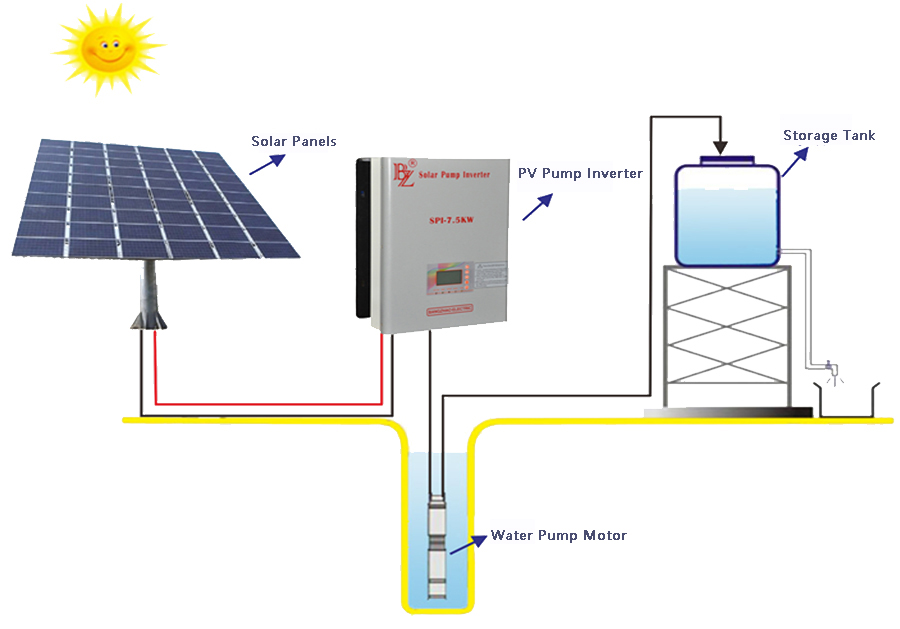
Nowadays, incorporating renewable energy sources into different applications is more important than ever—especially if you're trying to tap into solar power for farming or managing water resources. One key piece of the puzzle is the Pv Pump Inverter, which basically helps turn sunlight into usable power for pumps. With so many options out there, picking the right inverter can feel a bit overwhelming. That’s why I put together this guide—to make things clearer and help you understand how to choose a reliable manufacturer, plus a quick look at some of the top products on the market. At Bangzhao Electric Co., Ltd., we’ve got over 10 years of experience under our belt, working with advanced solutions like lithium battery storage and Pure Sine Wave Inverters. We’re here to help you meet your specific energy needs, whether you’re a farmer or running a business. Honestly, getting a good handle on Pv Pump Inverters is pretty much essential if you want to make the most of your renewable energy investments and get maximum efficiency.
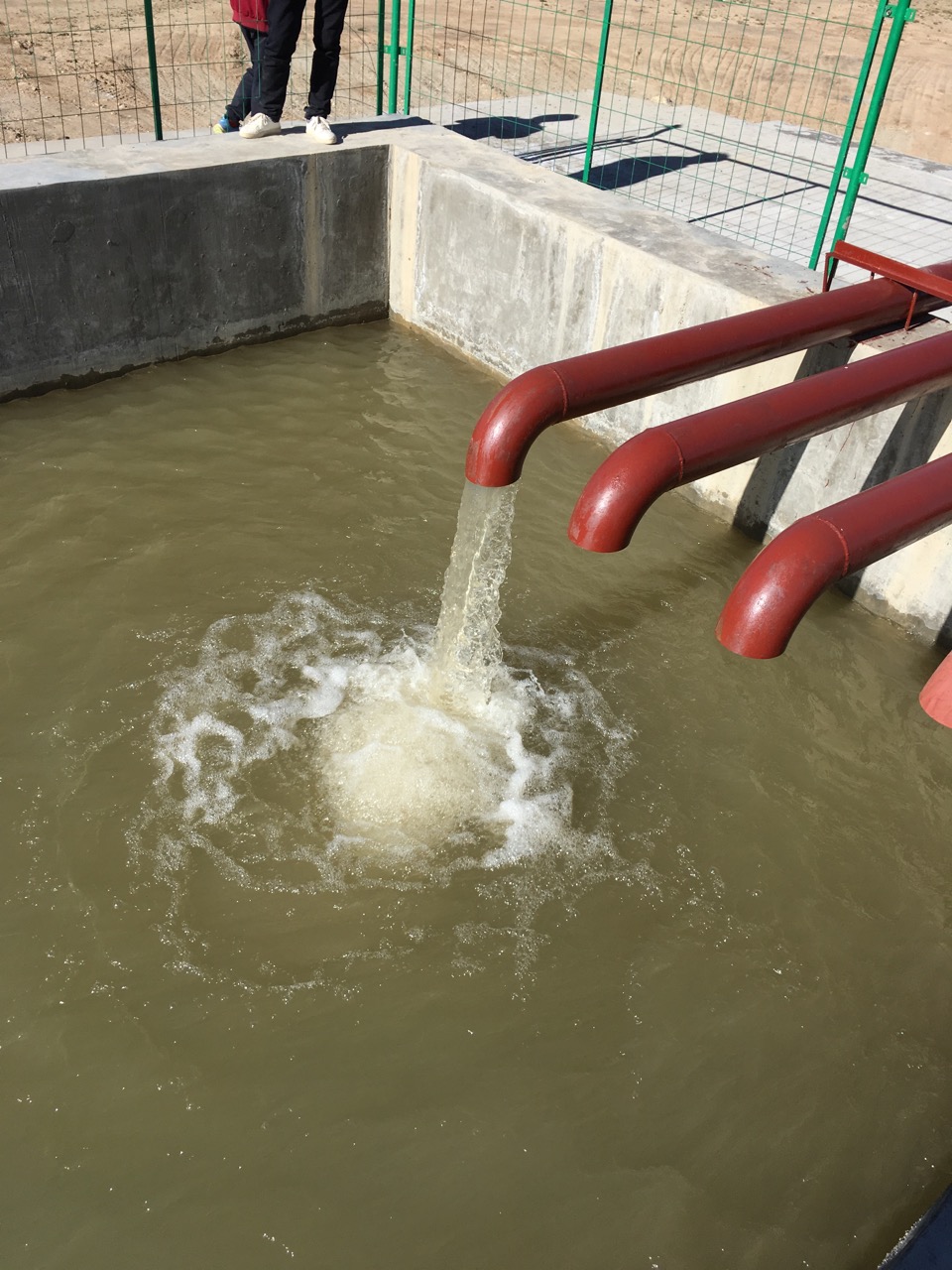
In the fast-changing world of renewable energy, PV pump inverters really can’t be overlooked. They’re super important when it comes to making sure energy is converted efficiently and power is reliably supplied—that’s especially true in rural areas where steady access to water is a big deal. Recently, studies have shown that mixing smart water management with photovoltaic pumping systems can seriously boost the sustainability of local water supplies. It’s part of a broader trend of using tech to create greener, more efficient solutions.
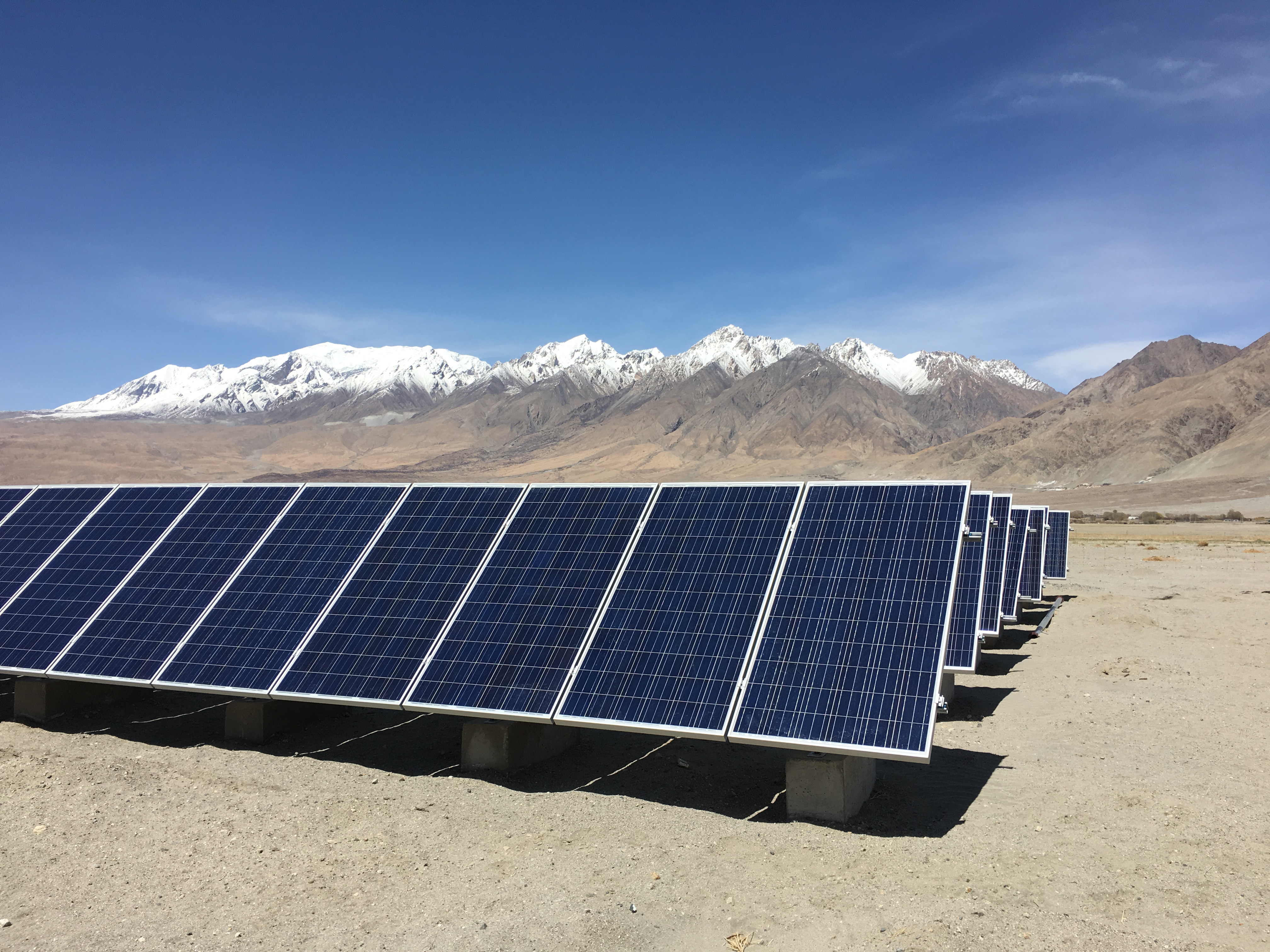
On top of that, looking at different energy storage options, it’s clear that having good inverter technology is key to keeping renewable energy systems running smoothly. With everyone aiming to triple renewable capacity by 2030, getting inverter performance just right is more crucial than ever. Some recent research suggests that employing AI techniques like reinforcement learning can really boost how well grid-connected PV systems work. Basically, picking the right inverter isn’t just a technical detail—it’s a big part of hitting those performance goals across all kinds of environments.
Moving forward, the success of renewable energy will really depend on understanding and applying these systems thoughtfully, so it’s worth paying attention to choosing the best PV pump inverters out there.
So, when you're picking out a high-quality PV pump inverter for your renewable energy setup, there are a few key features you really shouldn’t overlook—these can make a big difference in how well your system performs and how reliable it is. First off, efficiency is a big deal. The The International Energy Agency (IEA) actually points out that inverters can cause up to 10% of energy losses in solar systems, which is pretty significant. That’s why aiming for an inverter with at least 95% efficiency is smart. An inverter that’s more efficient not only boosts your energy output but can also help your entire solar system last longer—that’s a win-win.
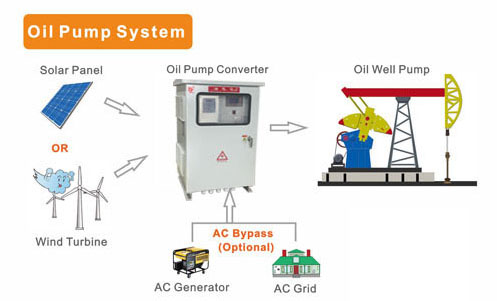
On top of that, you want to check if the inverter plays nicely with different pump types and energy sources. Many top-tier PV pump inverters are designed to handle both AC and DC pumps, giving you more flexibility depending on what you're working with. Interestingly, a recent report by the Solar Energy Industries Association (SEIA) mentions that systems with smart inverter technology can see about a 20% bump in efficiency and adapt better to different environmental conditions. Also, look for inverters that have advanced monitoring features—being able to see real-time data can really help you fine-tune your system and catch any issues before they get too serious.
Looking into the best PV pump inverter for your renewable energy setup? It's really important to think about reliability and performance, especially when you’re checking out the top brands out there. Lately, hybrid systems have been gaining traction, and they show just how effective it can be to combine solar (PV) technology with energy storage options. Plus, pairing floating PV with pumped hydro systems is already proving to be a pretty smart way to handle the growing need for renewable energy storage. That just goes to show how crucial reliable inverters are — they’re key to keeping energy flowing smoothly and making the whole system work efficiently.
On top of that, with more people adopting photovoltaic/thermal (PV/T) systems, the idea of grabbing both heat and electrical energy at the same time is becoming a big deal. This dual approach really helps boost overall system performance, especially when both heating and water pumping are needed. Comparing different pump inverters can help you figure out which brands are really good at keeping their system running reliably, even when the weather gets tricky. As energy needs keep changing, focusing on high-performance, well-integrated inverter systems is becoming more and more important to get the most out of your renewable energy investments.
This chart represents the efficiency of different PV pump inverters based on varying power output levels.
When you're installing and maintaining a PV pump inverter, there are a few key tips that can really help it work better and last longer. First off, make sure you pick the right size of inverter for your renewable energy setup. If it’s too small, it might overheat and won’t run efficiently. On the flip side, going for an inverter that's way too big can end up wasting your money. It's always a good idea to check the manufacturer’s specs and don’t hesitate to ask experts if you're unsure about anything.
Regular upkeep is super important to keep things running smoothly. Make it a habit to check the connections for any signs of rust or corrosion—trust me, catching issues early saves you a lot of headaches later. Also, make sure your inverter is protected from harsh environmental elements like dust and moisture because those can cause problems over time. Doing routine inspections can help catch any potential issues before they turn into big problems. Oh, and don’t forget about firmware updates! Keeping your inverter's software current can boost efficiency and sometimes even bring new features, so staying up-to-date with the latest tech is a smart move.
As hybrid renewable systems become more popular, it’s especially important to know how to properly use and maintain PV pump inverters. Following these simple tips not only helps you use energy more efficiently but also makes sure you’re getting the most out of your solar and wind setups—bringing you closer to your renewable energy goals.
| Specification | Description | Optimal Range | Maintenance Frequency |
|---|---|---|---|
| Input Voltage | The voltage range the inverter can accept | 220V - 380V | Annually |
| Output Power | The maximum power output the inverter can provide | 1kW - 10kW | Annually |
| Efficiency | How well the inverter converts input to output power | > 95% | Semi-Annually |
| Temperature Range | The temperature conditions for optimal functioning | -20°C to 60°C | Bi-Annually |
| Protection Features | Safety and durability features of the inverter | Over-voltage, Over-current, Short Circuit | As Needed |
When you're diving into renewable energy setups, investing in a good quality PV pump inverter really pays off. I mean, according to a report by the International Renewable Energy Agency (IRENA), solar pump systems can boost their efficiency by up to 20% just by pairing them with high-performance inverters. That’s a pretty big deal, right? Not only does it make the energy work a whole lot better, but it also helps the pump last longer—saving you money on repairs or replacements down the line.
And here’s the thing: even though a top-notch inlet might cost a bit more upfront, it’s worth it in the long run. Frost & Sullivan did a study showing that the initial investment can lead to a return of around 15-20% over the pump’s lifetime. Why? Because these better inverters tend to be more reliable, which means less maintenance headaches and fewer unexpected failures. The cheaper inverters tend to break down more often, causing downtime that hits productivity and costs you more overall. So, in the end, picking a dependable inverter isn’t just about quality—it’s about making your whole renewable energy setup more sustainable and efficient.
As the renewable energy scene keeps evolving, the tech behind PV pump inverters is also moving forward at a pretty impressive rate. Looking ahead, we’re seeing a clear shift toward more efficient and adaptable solutions that are also easier to use. One cool trend? Smart inverters with built-in monitoring systems are becoming pretty popular. They let folks keep an eye on performance stuff in real-time and tweak their systems if needed. That’s a big win—not just for getting better at pumping efficiency, but also for making the equipment last longer. And honestly, that makes it a smarter choice for those long-term renewable projects.
On top of that, the integration of AI and machine learninginto pv inverters is super promising. These smart algorithms can help spot potential problems before they actually cause any failures, which means less downtime and lower maintenance costs. Plus, there's this growing trend towardshybrid systems—combining solar with other renewables like wind or hydro. This way, energy supply gets a lot more reliable, even when the weather's not cooperating. Overall, the future of PV pump inverters isn't just about squeezing out more efficiency but also about building a more resilient, flexible renewable energy landscape. It’s pretty exciting stuff, really.
: PV pump inverters are essential for optimizing energy conversion and managing power supply, especially in applications like water supply in rural areas.
A high-efficiency inverter (at least 95% efficiency) minimizes energy losses in solar power systems, leading to improved energy output and longevity of the solar power system.
High-quality PV pump inverters should optimize both AC and DC pump operations, offering versatility for various renewable energy applications.
Smart inverter technology can lead to a 20% improvement in operational efficiency and adaptability in diverse environmental conditions.
Regular maintenance includes checking connections for corrosion, shielding the inverter from moisture and dust, and updating firmware to enhance operational efficiency.
Proper inverter sizing is crucial; an inadequate inverter can cause overheating and reduced efficiency, while an oversized one may incur extra costs.
The integration of AI methods like reinforcement learning can significantly improve the efficiency of grid-connected PV systems, making inverter selection critical for performance.
It's important to rectify potential issues promptly to prevent them from escalating, which can be achieved through routine inspections and maintenance checks.
A comprehensive understanding of PV pump inverters ensures efficient energy use and maximizes the benefits of solar and wind-powered solutions in renewable energy systems.