Trying to pick the right Solar Charger Inverter in this fast-moving world of renewable energy can really feel kind of overwhelming sometimes. I mean, there’s so much to consider! Industry pro John Smith from Solar Innovations once mentioned, "The right inverter is super important if you want to get the most out of your solar setup." And honestly, as we look ahead to 2026, that advice is more relevant than ever.
When you're on the hunt for a Solar Charger Inverter, it’s not just about picking anything off the shelf. You’ve gotta think about efficiency ratings, whether it plays nicely with your solar panels, and if it can handle cloud storage or not. Every choice you make can really impact how well everything performs. And let’s be real — the market is pretty packed with options. It’s easy to get kinda lost among all the different models and brands.
Plus, even though technology keeps improving, the challenges don’t go away. Some of the newer inverters might not be a perfect fit for your specific setup, so it’s really important to pick one that suits your actual needs. A good Solar Charger Inverter should just work smoothly with what you already have in place. Balancing quality and price isn’t just about spending less; it’s about investing wisely in your long-term solar journey. Thinking through these points can really help you make a smarter, more confident decision.
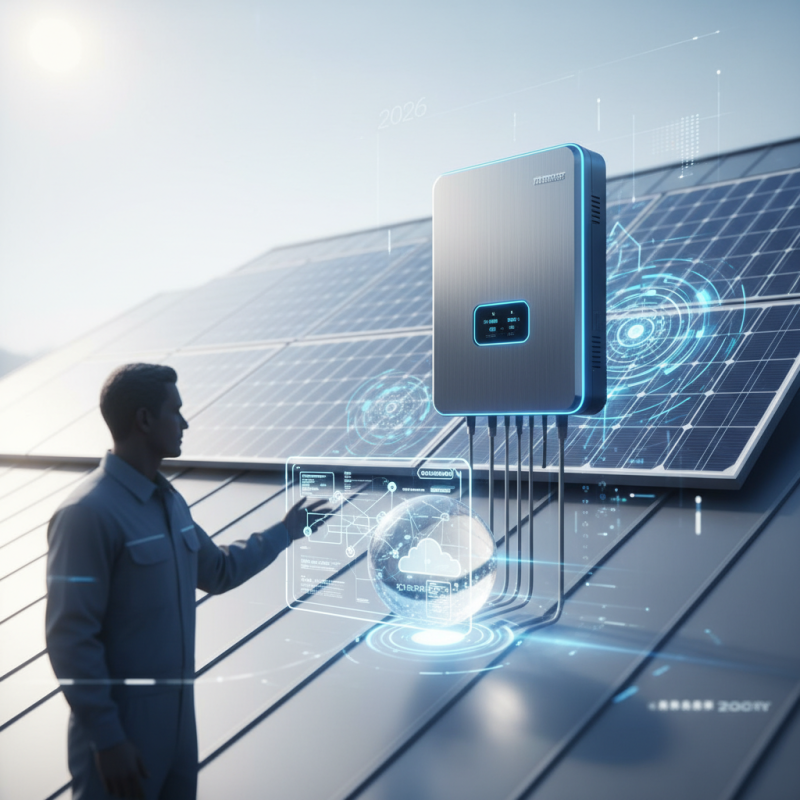
Understanding the Basics of Solar Charger Inverters
Understanding the basics of solar charger inverters is crucial for making informed decisions. A solar charger inverter converts DC electricity from solar panels into AC electricity. This AC power is what most household appliances require. In 2026, it's estimated that the global Solar Inverter market will reach nearly$10 billion, highlighting the growing importance of these devices.
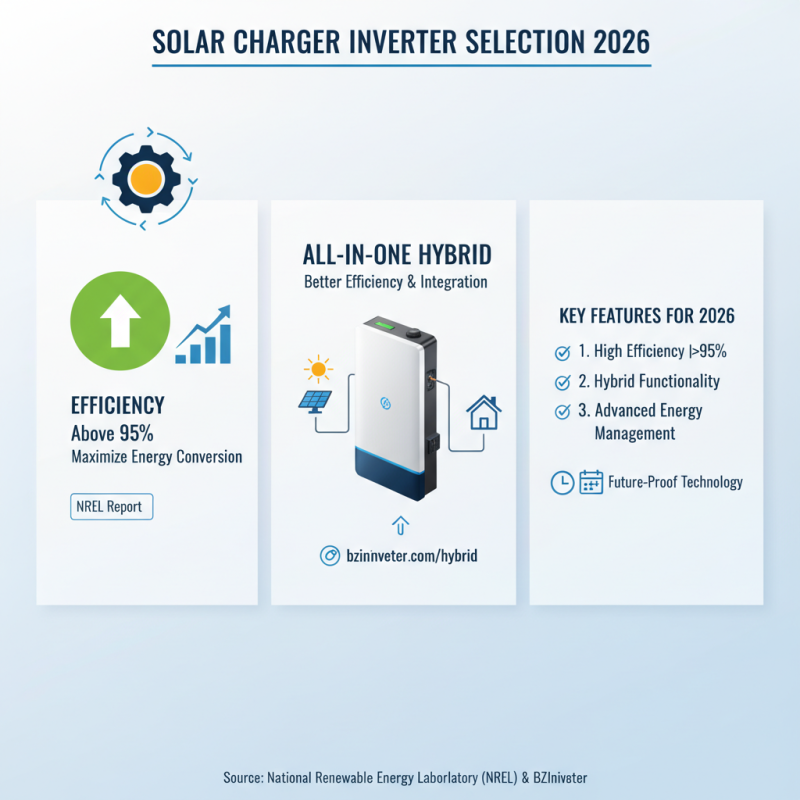
When selecting a solar charger inverter, consider its efficiency ratings. Look for inverters with over 95% efficiency. This measurement indicates how much of the power generated is effectively converted. An inverter that loses even 5% of energy can result in significant power loss over time.
Tip: Examine the inverter’s warranty. Most reputable products offer warranties ranging from five to ten years. This can provide peace of mind and safeguard your investment.
Another important aspect is the power output. Inverters should match your energy needs. If you have multiple high-energy devices, ensure the inverter can handle the load. Oversized inverters, however, can lead to wasted energy and unnecessary costs.
Tip: Be cautious about choosing the cheapest option available. Lower-priced inverters often compromise on quality and efficiency. It’s better to invest in a slightly more expensive model for enhanced longevity and performance.
Key Features to Consider When Selecting a Solar Charger Inverter
When selecting a solar charger inverter for 2026, several key features are crucial. Efficiency is paramount. A report by the National Renewable Energy Laboratory indicates that inverters should ideally have an efficiency rating above 95%. The higher the efficiency, the better the energy conversion. The All-in-One Hybrid Solar Inverter Charger typically offers better efficiency, ensuring your solar energy is maximized.
Battery compatibility is another critical factor. In 2023, data from the Solar Energy Industries Association showed that around 60% of solar installations included battery storage. Ensure the inverter supports modern battery technologies, such as lithium-ion. This compatibility can enhance energy storage and usage, particularly during outages.
Consider the power output capacity. With the average American household using about 877 kWh per month, a well-sized inverter is essential. Some users underestimate their needs, leading to insufficient power during peak times. User reviews often highlight this oversight. Always evaluate your energy consumption patterns. A solar charger inverter should meet your specific energy requirements for optimal performance.
Evaluating Power Output and Efficiency Ratings for 2026 Models
When selecting a solar charger inverter for 2026, power output and efficiency ratings are key factors. Power output typically defines how much energy your inverter can generate. This number should align with your energy needs. Higher wattage usually means better performance, but don't overlook efficiency. Efficiency ratings indicate how well the inverter converts solar energy into usable power. Look for models that boast high efficiency, ideally above 90%. This ensures minimal energy loss.
Tips: Assess your energy requirements first. Consider your devices' consumption. Match the inverter's capacity accordingly. Don't just focus on peak ratings. Check real-world performance too.
Another aspect to examine is the inverter's design. A compact, lightweight design can enhance portability. If you plan to move the inverter often, this is crucial. Additionally, think about heat management. Inverters work best at optimal temperatures. An inverter that runs cool will likely last longer and perform better.
Tips: Read user reviews on heat performance. Look for comments on durability over time. It's wise to gauge how real users experience their inverters. The market is competitive, so some compromises may occur. Balancing price and features could lead to some tough choices. Adjust your expectations as you gather more information.
How to Choose the Best Solar Charger Inverter for 2026?
| Model | Power Output (W) | Efficiency Rating (%) | Weight (kg) | Dimensions (cm) |
| Model A | 1500 | 95 | 10 | 30 x 20 x 10 |
| Model B | 1200 | 92 | 9 | 28 x 18 x 9 |
| Model C | 1800 | 97 | 11 | 35 x 22 x 12 |
| Model D | 2000 | 90 | 12 | 32 x 24 x 11 |
| Model E | 1350 | 93 | 8.5 | 29 x 19 x 9.5 |
Comparing Inverter Types: String, Micro, and Hybrid Inverters
When choosing solar charger inverters, understanding the different types is crucial. String inverters are the most common. They connect multiple solar panels together in series. This setup is simple and cost-effective. However, string inverters can suffer from shading issues. If one panel is covered, it can impact the whole system’s performance. This alone makes them less ideal for complex roof designs.
Microinverters offer a different approach. Each solar panel has its own inverter. This minimizes shading issues. Because each panel operates independently, they can perform better in various conditions. However, microinverters can be more expensive. They are a good option for rooftops with uneven exposure or shading.
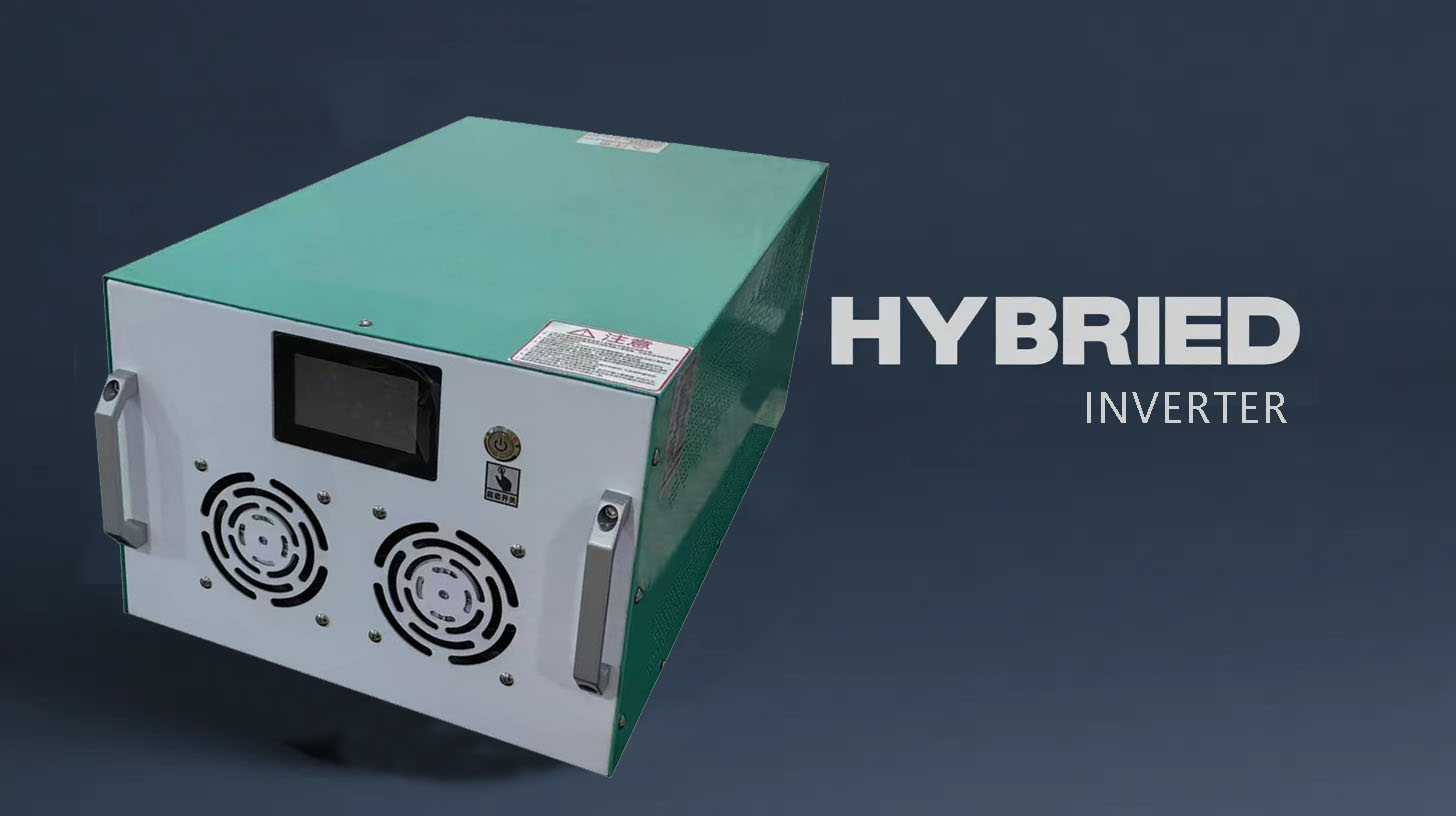
Hybrid Inverters combine features of both string and microinverters. They can manage solar energy storage systems. This can be beneficial for homeowners looking to use battery storage. But they may require a more complex setup. When considering a "100a Large Current Mppt Solar Charger," weigh the specifics of your installation. Think about your space, budget, and energy needs carefully. Each choice has its pros and cons, which can affect your long-term satisfaction.
Assessing Compatibility with Solar Panel Systems
When selecting a solar charger inverter, compatibility with your solar panel system is crucial. Many inverters work with specific panel types. If you choose the wrong option, it could lead to inefficiencies.
Consider your solar panel’s voltage and wattage. These details are vital for a proper match. Also, check the inverter's input range. If it’s too narrow, your system may not function well. Make sure it can handle variations. The right setup ensures optimal performance.
**Tips:** Look for MPPT solar chargers. This technology adjusts the charging voltage, maximizing energy capture. However, ensure it's well-suited for your panels. Research connections and analyze output ratings. Don't hesitate to ask questions. Being proactive helps avoid regrets later. Adapting to new tech is essential. Sometimes, you’ll find unexpected challenges. Keep an open mind and test different configurations.
Budgeting: Cost Factors and Long-Term Savings of Solar Inverters
When choosing a solar charger inverter, cost factors play a crucial role in decision-making. Solar Inverters typically range between $1,000 and $3,000, depending on their capacity and features. Data from a recent industry report indicates that investing in a higher-quality inverter can lead to significant long-term savings. Homeowners can save up to 30% on energy costs over a decade. This is based on average annual savings of $200 and a 25-year lifespan for most systems.
However, not all solar inverters are created equal. Cheaper models may save upfront costs but can lead to higher electricity bills later. The efficiency of an inverter greatly influences energy conversion rates. A top-performing inverter typically operates at 95% efficiency, while lower-end models may drop to just 85%. The long-term implications are clear: a small difference in efficiency can add up over years.
It’s also important to consider installation expenses. Professional installation can increase initial costs by 20%. Yet, improper setup can lead to underperformance, negating any savings. Therefore, investing in a quality solar inverter and skilled installation is essential for maximizing efficiency and achieving substantial savings over time. Balancing short-term costs with long-term benefits is key in making the right choice.
Reading Reviews and Ratings to Gauge User Satisfaction and Performance
Choosing a solar charger inverter is crucial for efficiency. Reviews and ratings can guide your decision. User experiences reveal important details. Look for feedback on performance. It sheds light on reliability and functionality. Check multiple sources to get a balanced view.
When reading reviews, focus on common themes. Many users mention how long the inverter lasts. Look for information on maintenance needs. Some models require more upkeep than others. This can be a significant factor. Pay attention to any recurring complaints. They can indicate potential flaws.
Tips: Focus on user feedback that highlights daily use. Look for comments about portability. If you plan to travel, weight matters. Some inverters are bulky, making them cumbersome. Take these nuances into account. They can greatly impact your experience. Always reflect on how it fits your lifestyle.
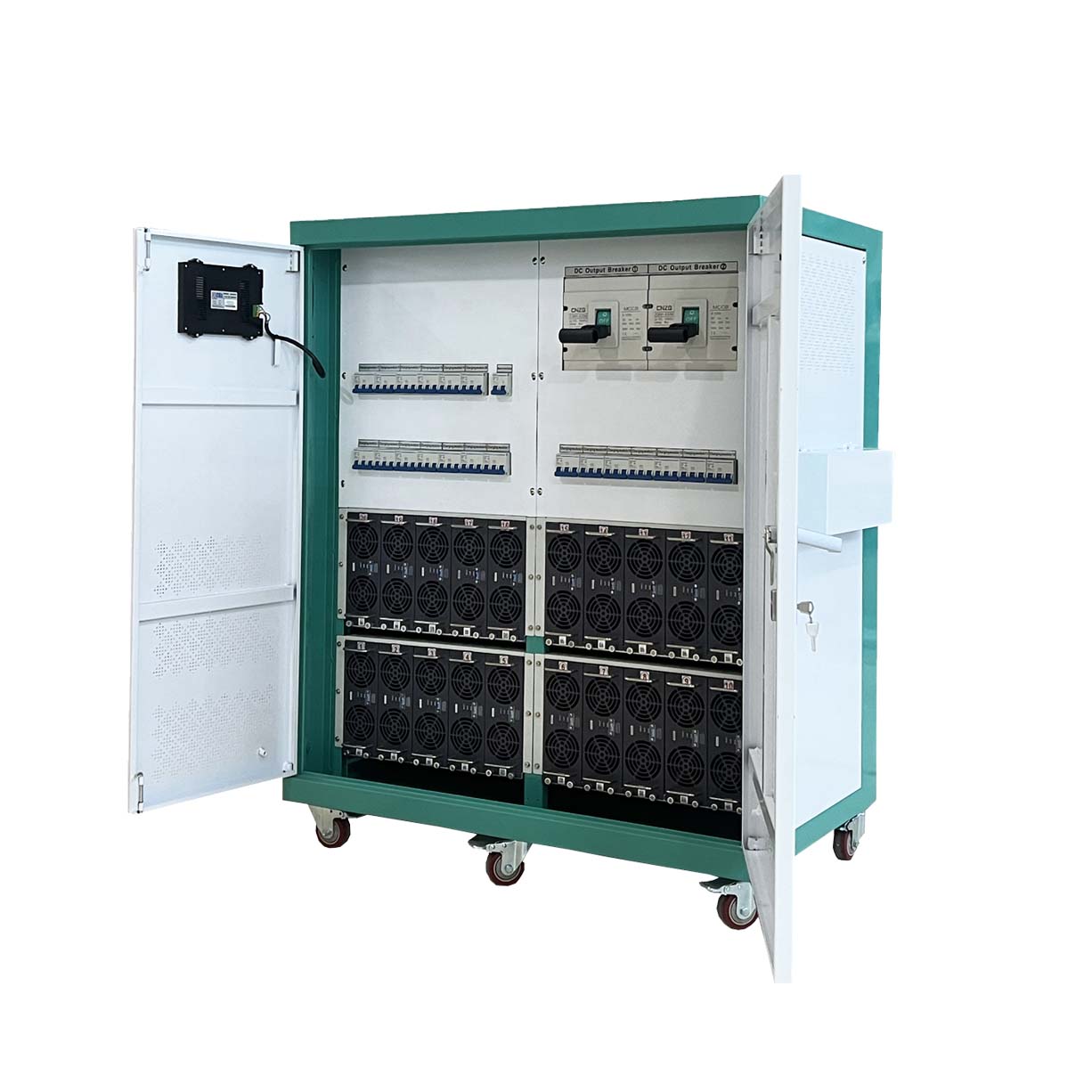
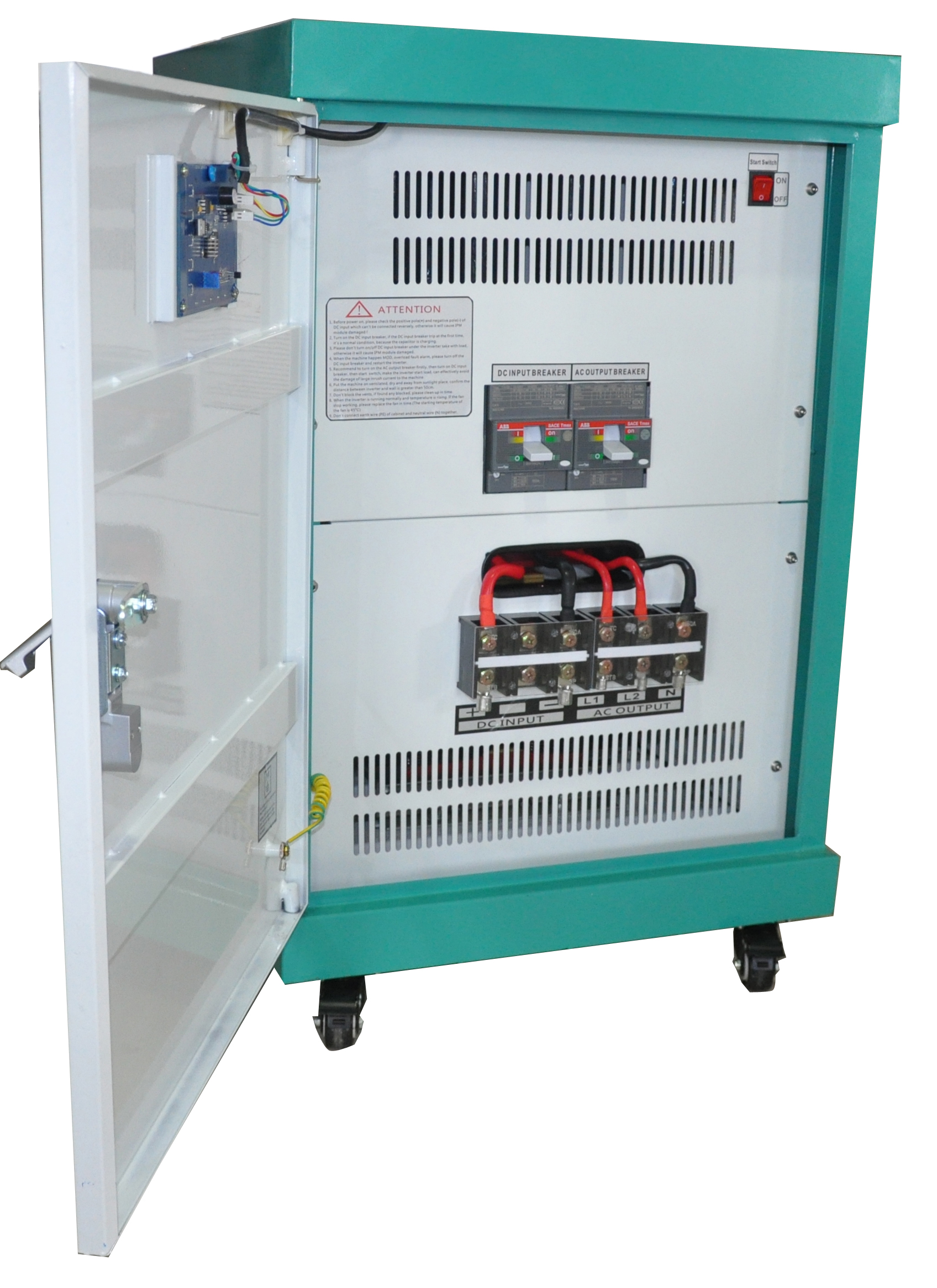
Maximizing Efficiency: A Comprehensive Guide to the 48VDC-380VAC 3 Phase 20KW Low Frequency Power Inverter
The 48VDC-380VAC mains frequency inverter represents a significant advancement in power conversion technology, specifically tailored to optimize efficiency in various applications. With a robust output capability of 20kW, this inverter employs advanced mains frequency transformer isolation to ensure the delivery of pure sine wave output with a total harmonic distortion (THD) of 3% or less. This characteristic makes it highly suitable for sensitive industrial equipment and renewable energy systems, where power quality is paramount.
One of the key features of this inverter is its ultra-low input voltage capability, accommodating a wide input range from 42V to 100V. This versatility allows for seamless integration into diverse power systems, enhancing its appeal for projects that may experience fluctuating input voltage. Coupled with its anti-interference design and multiple protective functions, the inverter not only achieves an impressive efficiency of 88% or greater but also ensures reliable and stable operation in the field. Its design is focused on longevity and resilience, making it an ideal choice for both industrial applications and renewable energy implementations.
FAQS
: This product aims to improve daily tasks and enhance productivity. It simplifies the process significantly.
Follow the provided guidelines. Experiment to find the best techniques for your needs.
Yes, it can streamline tasks and save time. It encourages better organization.
Users often overlook initial setup steps. Take time to understand all features first.
Yes, it is designed for all skill levels. Beginners may need extra time to familiarize with features.
Check the troubleshooting section. If problems persist, consider reaching out for support.
Many users report positive long-term experiences. Regular maintenance is advisable for continued effectiveness.
Feedback is mixed but largely positive. Some users mention a learning curve and initial adjustments.
Yes, it offers various customization options. Tailor it to suit your personal preferences.
Some find it more intuitive, while others prefer different features. It’s essential to assess personal needs.
Conclusion
Choosing the best Solar Charger Inverter for 2026 involves understanding its fundamentals and key features that are critical for optimal performance. Key factors include evaluating power output and efficiency ratings, which significantly impact the effectiveness of solar energy utilization. It’s essential to compare different inverter types—such as string, micro, and hybrid inverters—and assess their compatibility with existing solar panel systems to ensure seamless integration.
Budget considerations also play a crucial role, as understanding cost factors and potential long-term savings can help in making an informed decision. Additionally, reading user reviews and ratings can provide insights into satisfaction and reliability. A thorough evaluation of these aspects will guide consumers in selecting a Solar Charger Inverter that meets their energy needs efficiently and economically.